
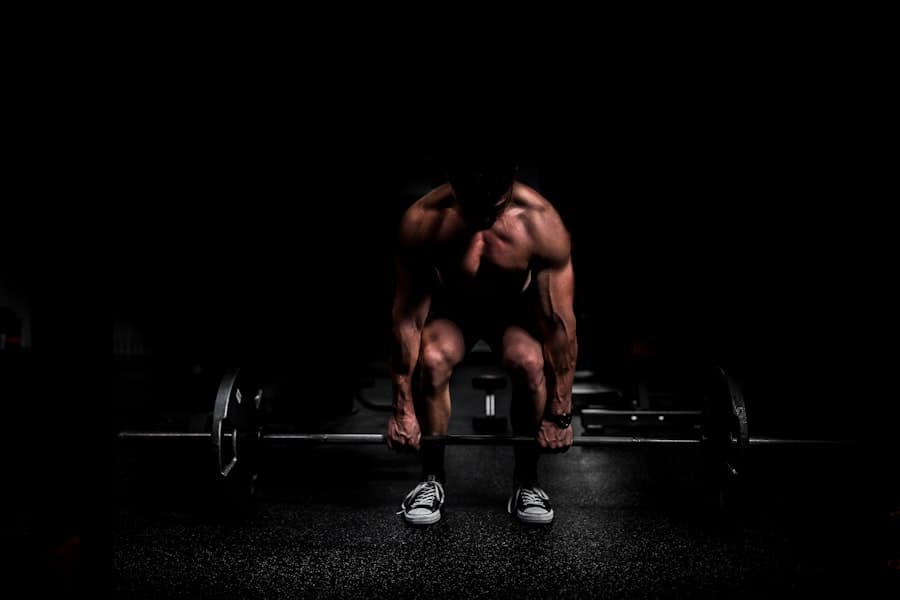
Will Women Get "Bulky" from Weight Training? The Masculinization Myth vs. Research
Published: 2026-06-30
Written by: Shingo YoshizakiReviewed by: Tomonobu Someda
"Heavy lifting will make me look manly" — this fear still keeps many women out of the weight room. But the physiology of female muscle development tells a very different story.
Let the data settle it.
Will heavy lifting cause women to develop a masculine physique?
What's said
女性向けフィットネス雑誌の旧来の通説・一般的なジム文化
Women who lift heavy — bench press, squats, deadlifts — will build too much muscle and lose their feminine shape. They risk looking like male bodybuilders.
What research says
- Roberts et al.
- (2020) systematic review confirms that women's testosterone levels are roughly 5–10% of men's, resulting in substantially lower absolute muscle mass gains from identical training.
- Reaching bodybuilder-level muscle mass through normal resistance training (3–4 days/week) is physiologically near-impossible for most women.
- Elite female bodybuilder physiques involve years of intensive training, strict dieting, and often exogenous hormones.
Developing a masculine physique from normal resistance training is physiologically near-impossible for women due to the testosterone difference. This fear is not supported by the research.
Are light weights and high reps actually more appropriate for women?
What's said
女性向けフィットネス情報・軽量多レップ推奨の通説
Women should stick to light weights and high reps for a toned look. Heavy lifting isn't appropriate for the female body.
What research says
- Roberts et al.
- (2020) confirms that women respond well to moderate-to-high intensity training (60–80%+ 1RM) for strength and hypertrophy. "Toning" results from muscle gain combined with fat loss — and moderate-to-heavy loads are more efficient for the muscle-building component.
- The qualitative response to training is essentially the same between sexes; intensity choice should depend on goals, not gender.
Moderate-to-high intensity training is effective for women. The "light weights, high reps only" recommendation for women is not supported by research.
Related supplements
PR
Helps you reach total daily protein
The links below include affiliate links (PR).
Related research
- Physiological differences between females and males in resistance training outcomes: a systematic review2020
- Strength and Hypertrophy Adaptations Between Low- vs. High-Load Resistance Training: A Systematic Review and Meta-Analysis2017
- Dose-response relationship between weekly sets (training volume) and hypertrophy (systematic review)2017
Sources
Published: 2026-06-30

Written by
Shingo YoshizakiSoftware Engineer / Research Writer at BODYDATA
An engineer's job is verification. I read the source before I trust gym lore — same as code.
View profile →
Reviewed by: Tomonobu Someda
Content reviewed from the perspective of coaching practice and supplement-industry experience