

Is the Pump a Signal of Muscle Growth? Common Belief vs. Research
Published: 2026-06-25
Written by: Shingo YoshizakiReviewed by: Tomonobu Someda
The feeling that 'a great pump means a great workout' is widely shared among lifters. Ever since Arnold Schwarzenegger famously compared the pump to an orgasm, it has been treated as a symbol of hypertrophy. But what does the research actually say about the relationship between the pump and muscle growth?
Let the data settle it.
Is the pump (transient muscle swelling) a sign that hypertrophy is occurring?
What's said
フィットネス系YouTuber・トレーニーの体感談全般
When you get a pump, blood and nutrients are flooding your muscles, driving hypertrophy. A stronger pump means a more effective set for growth. If you don't feel a pump, it means the muscle wasn't adequately stimulated.
What research says
- The pump is primarily caused by increased blood flow to working muscles during high-rep, high-density training, combined with plasma shifting into the interstitial space (cell swelling) and venous occlusion.
- This is driven by metabolic byproduct accumulation (lactate, hydrogen ions, inorganic phosphate) — not muscle protein synthesis itself.
- Hypertrophy is an adaptation process unfolding over 48–72+ hours, operating through different mechanisms than the transient swelling felt during a session (Schoenfeld 2010).
- There are currently no longitudinal RCTs directly correlating pump intensity with the magnitude of hypertrophy.
The pump is a sign of metabolic stress, not a direct indicator of ongoing hypertrophy. A positive correlation is plausible but unproven; pump intensity cannot be equated with hypertrophy magnitude. This applies to healthy recreational lifters broadly.
Does metabolic stress — the cause of the pump — function as a driver of hypertrophy?
What's said
ボディビル系コンテンツ、「パンプトレーニング」推奨インフルエンサー
The metabolic stress that causes the pump is itself what drives muscle growth. High-rep, short-rest training that produces a burning sensation is the most effective approach for hypertrophy.
What research says
- Schoenfeld (2010, 2013) proposed three primary mechanisms of hypertrophy: (1) mechanical tension, (2) muscle damage, and (3) metabolic stress.
- Metabolic stress theoretically contributes via increased anabolic hormone release, cell swelling-induced anabolic signaling, and ROS-mediated adaptations.
- However, the relative contribution of each factor remains debated, and isolating metabolic stress from other variables is methodologically difficult.
- Blood flow restriction (BFR) training studies demonstrate hypertrophy under low-load, high-pump conditions, but the unique hypoxic and mechanical factors of BFR prevent clean attribution to metabolic stress alone (Pearson & Hussain 2015).
Metabolic stress is a plausible contributing factor to hypertrophy, but evidence for its standalone contribution is weak. The current research consensus places mechanical tension as the primary driver, with metabolic stress as a secondary factor at best.
If you don't feel a pump, does that mean the training isn't working?
What's said
ボディビル系SNS、「マインドマッスルコネクション」重視コンテンツ
If you don't get a pump, the muscles weren't properly activated. You should adjust weight, reps, or exercise selection until you feel it — finishing a workout without a pump is a wasted session.
What research says
- Multiple meta-analyses confirm that comparable hypertrophy occurs across a wide load range — from high-load/low-rep (1–5) to moderate-load/moderate-rep (6–12) to low-load/high-rep (15–30) — as long as sets are taken close to failure (Schoenfeld et al. rep-range studies).
- High-load, low-rep work (e.g.
- 85–90% 1RM for 3–5 reps) produces minimal metabolic stress and little pump, yet generates high mechanical tension sufficient for meaningful hypertrophic stimulus.
- Heavy deadlifts and squats, which rarely produce a pronounced pump, contribute to hypertrophy when training volume is adequate (training-volume-hypertrophy).
Hypertrophy occurs reliably without a pump when mechanical tension is high and sets are taken near failure. Absence of a pump does not indicate ineffective training. The belief that 'no pump means no growth' is not supported by evidence. That said, for beginners, using the pump as a rough feedback cue for mind-muscle connection has some practical value.
Related supplements
PR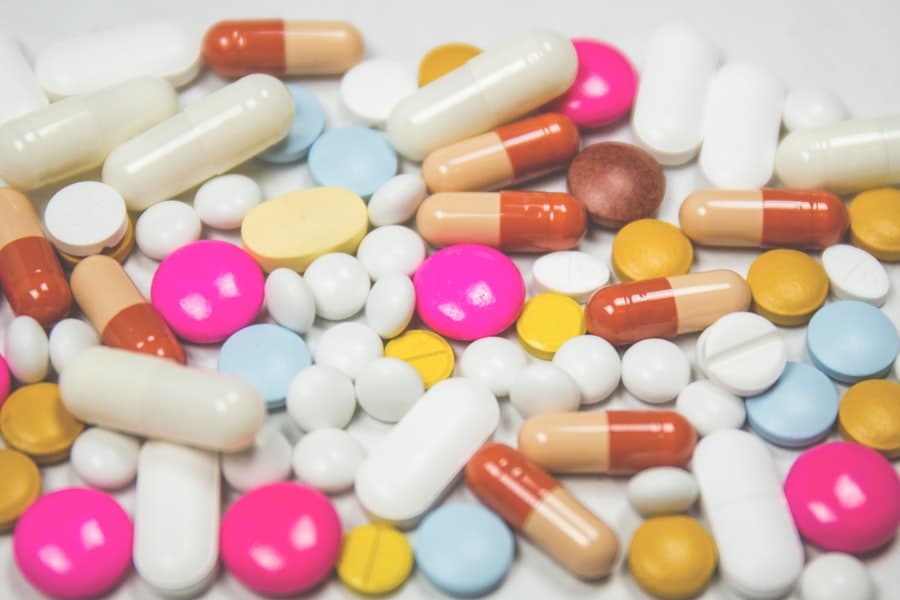
Improved muscular endurance (increased repetitions confirmed in research)
The links below include affiliate links (PR).
Related research
- Dose-response relationship between weekly sets (training volume) and hypertrophy (systematic review)2017
- Strength and Hypertrophy Adaptations Between Low- vs. High-Load Resistance Training: A Systematic Review and Meta-Analysis2017
- Effects of Low- vs. High-Load Resistance Training on Muscle Strength and Hypertrophy in Well-Trained Men2015
Sources
- Schoenfeld BJ (2010) J Strength Cond Res — The mechanisms of muscle hypertrophy and their application to resistance training
- Schoenfeld BJ (2013) J Strength Cond Res — Potential mechanisms for a role of metabolic stress in hypertrophic adaptations to resistance training
- Pearson SJ & Hussain SR (2015) Sports Med — A review on the mechanisms of blood-flow restriction resistance training-induced muscle hypertrophy
Published: 2026-06-25
Written by
Shingo YoshizakiSoftware Engineer / Research Writer at BODYDATA
An engineer's job is verification. I read the source before I trust gym lore — same as code.
View profile →
Reviewed by: Tomonobu Someda
Content reviewed from the perspective of coaching practice and supplement-industry experience