
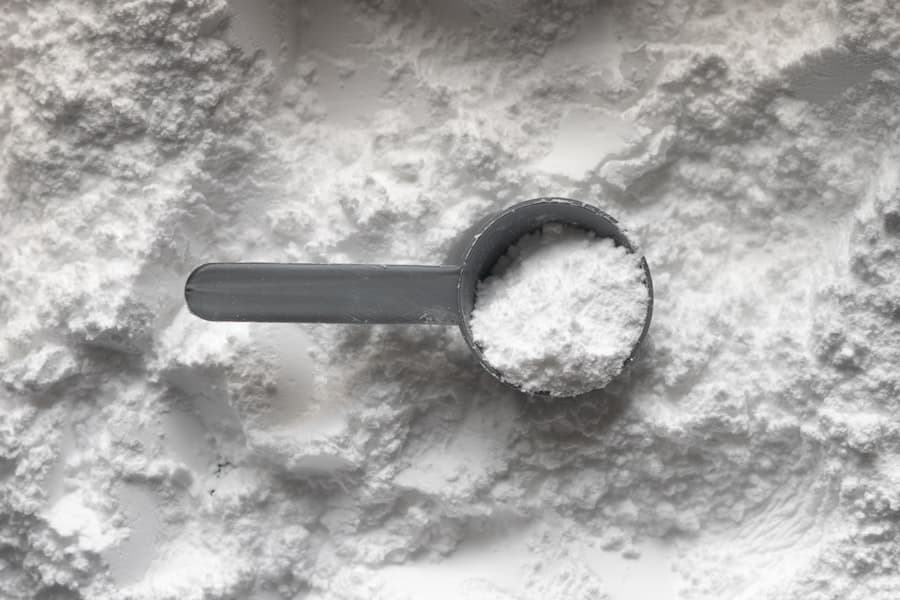
Is Glutamine Really Essential for Athletes? Common Claims vs. the Research
Published: 2026-06-25
Written by: Shingo YoshizakiReviewed by: Tomonobu Someda
Glutamine is the most abundant amino acid in the body and plays a key role in immune function and gut barrier integrity. The idea that 'training depletes glutamine and you need to replenish it' is a persistent fixture in supplement marketing. But whether glutamine supplementation actually benefits healthy, well-fed athletes is a question where the research diverges sharply from the sales pitch.
Let the data settle it.
Does glutamine supplementation improve muscle recovery in healthy athletes?
What's said
サプリメーカーの製品訴求、フィットネス系SNS・YouTuber
Glutamine is a building block of muscle and speeds up recovery after training. It reduces soreness and improves readiness for the next session.
What research says
- Multiple reviews of healthy athletes show that glutamine supplementation offers limited additional benefit for hypertrophy, recovery, or strength performance.
- An RCT by Candow et al.
- (2001) found that glutamine supplementation (0.9 g/kg lean mass/day) during resistance training produced no significant difference in strength, lean mass, or muscle glycogen recovery compared to placebo.
- Healthy individuals synthesize and obtain enough glutamine through diet, and plasma levels are typically maintained even after preferential uptake by the gut, liver, and immune cells.
For healthy athletes with adequate protein intake, strong evidence supporting added recovery benefits from glutamine supplementation is currently lacking. Dietary glutamine typically meets the body's demands.
Does glutamine support immune function and gut health in athletes?
What's said
スポーツ栄養系コンテンツ、サプリ推奨ブログ
Intense training suppresses immunity and increases susceptibility to illness. Since glutamine is a primary fuel for immune cells, supplementing it helps prevent post-exercise immune depression. It also supports gut health.
What research says
- Glutamine is well-established as a primary fuel for lymphocytes and macrophages.
- Intravenous glutamine in post-surgical patients, the critically ill, and ICU settings has demonstrated improvements in immune markers and reductions in infectious complications.
- However, this applies to hypermetabolic patients in catabolic states — a physiologically different context from healthy athletes.
- The 'open window theory' of post-exercise immune suppression is now considered overstated, and evidence that glutamine supplementation meaningfully reduces upper respiratory tract infections in healthy athletes is inconsistent.
Evidence is meaningful for critically ill or post-surgical patients, but direct extrapolation to healthy athletes requires caution. The immune impact of typical training is smaller than once believed, and the benefit of glutamine supplementation for healthy athletes remains unclear.
Does intense training deplete glutamine, making supplementation necessary?
What's said
ボディビル系コンテンツ、過渡期のスポーツ栄養研究の引用
Intense training causes a significant drop in plasma glutamine levels. This depletion impairs recovery, so supplementation is necessary to restore it.
What research says
- Plasma glutamine does decline following intense endurance exercise or overtraining, and this is well-documented.
- However, two points are critical.
- First, this decline recovers relatively quickly with normal food intake — particularly adequate protein.
- Second, whether a transient drop in plasma glutamine directly impairs performance or recovery is unclear; the 'depletion → supplementation needed' causal chain is an oversimplification.
- Chronically low glutamine in overtraining syndrome is better understood as a consequence of excessive training load, not a cause of dysfunction requiring supplementation.
Post-exercise plasma glutamine decline is real, but in healthy individuals it recovers through normal eating. The 'it depletes, so you need to supplement' logic doesn't hold for well-nourished athletes — the evidence for supplementation necessity remains weak.
Related supplements
PR
Support for intestinal barrier function (research on gut protection during intense exercise and post-surgery)
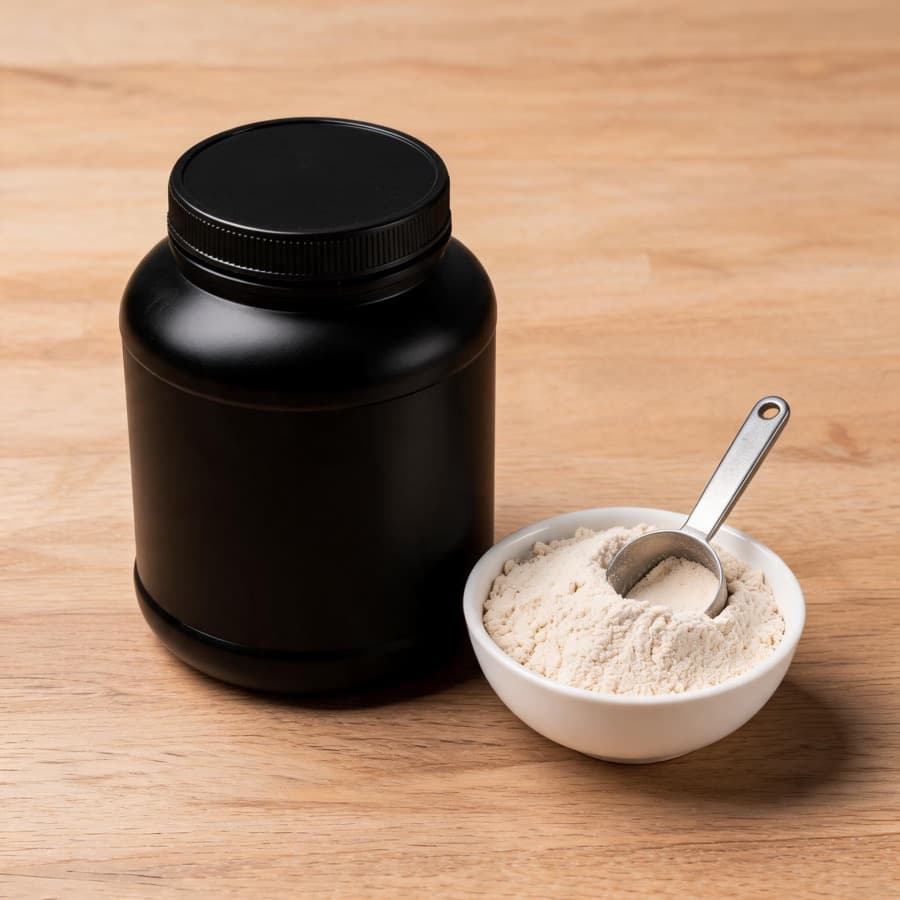
Helps you reach total daily protein
The links below include affiliate links (PR).
Related research
Sources
- Candow DG et al. (2001) Eur J Appl Physiol — Effect of glutamine supplementation combined with resistance training in young adults
- Antonio J & Street C (1999) Nutrition — Glutamine: a potentially useful supplement for athletes
- Gleeson M (2008) Immunol Cell Biol — Dosing and efficacy of glutamine supplementation in human exercise and sport training
- Cruzat V et al. (2018) Nutrients — Glutamine: metabolism and immune function, supplementation and clinical translation
Published: 2026-06-25
Written by
Shingo YoshizakiSoftware Engineer / Research Writer at BODYDATA
An engineer's job is verification. I read the source before I trust gym lore — same as code.
View profile →
Reviewed by: Tomonobu Someda
Content reviewed from the perspective of coaching practice and supplement-industry experience